
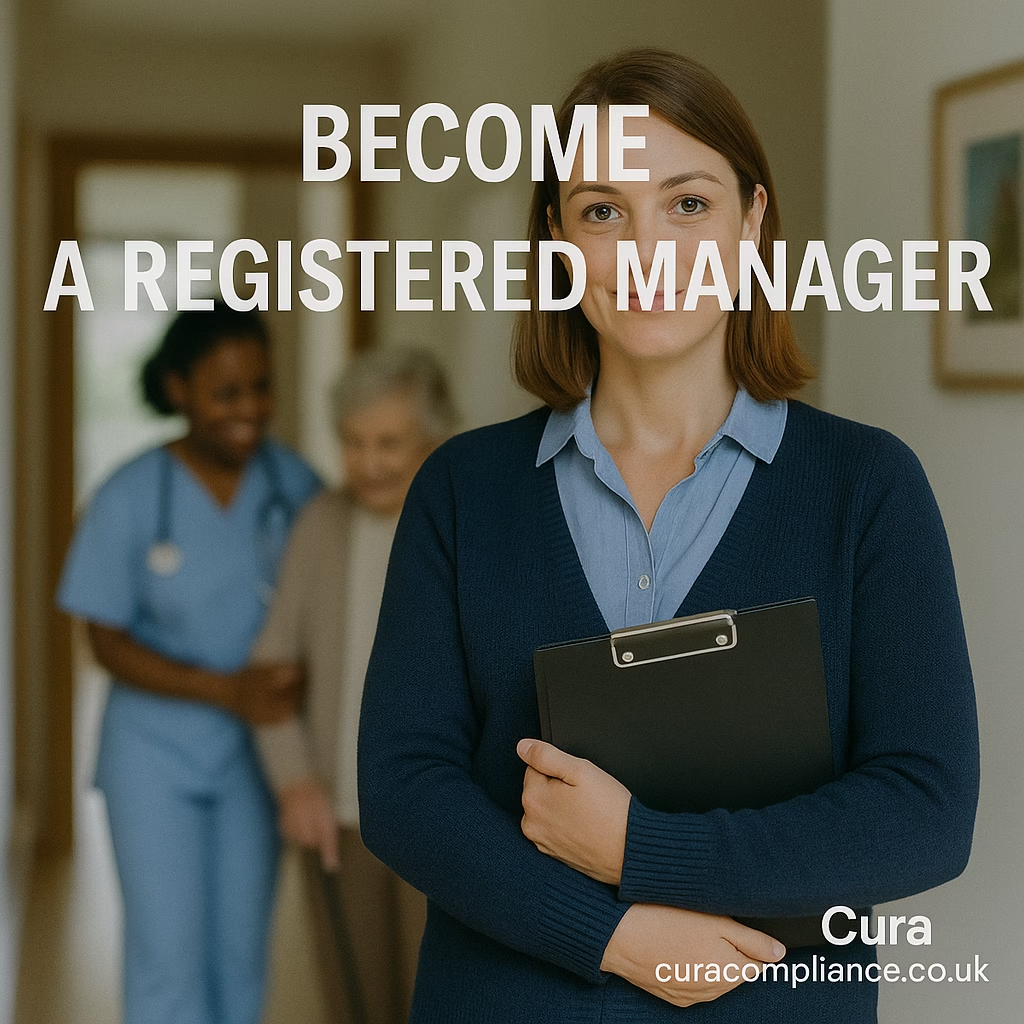
From Care Worker to Registered Manager: Your £55,000 Career Transformation Guide
Discover how experienced care workers are earning up to £55,000 annually by becoming CQC registered managers – and why 2025 is the perfect time to make this career leap
Meta Description: Transform your care career with our complete guide to becoming a CQC registered manager. Earn £35,000-£55,000 annually with the Level 5 Diploma qualification. Start your journey today.
Keywords: registered manager, domiciliary care, CQC registration, Level 5 Diploma, care management, care worker career progression
The £20,000 Pay Rise That Changed Sarah’s Life
Sarah Mitchell had been working as a care worker in Wolverhampton for eight years when she made a decision that would transform her career—and her bank balance. Today, just 18 months later, she’s earning £48,000 as a registered manager for a thriving domiciliary care agency, a significant jump from her previous £28,000 salary.
“I never thought management was for me,” Sarah explains. “But when I saw how much difference a good manager makes to both staff and clients, I knew I wanted to step up. The Level 5 Diploma gave me the confidence and skills to take on the responsibility.”
Sarah’s story isn’t unique. Across the UK, experienced care workers are discovering that becoming a registered manager offers not just better pay, but genuine career satisfaction and the opportunity to shape quality care for some of society’s most vulnerable people.
Why 2025 Is the Year to Become a Registered Manager
The demand for qualified registered managers has never been higher. Recent CQC enforcement data shows that care providers without registered managers face fines of up to £4,000 if they fail to appoint one within six months. This regulatory pressure, combined with sector growth, has created unprecedented opportunities for qualified professionals.
“Every week, we’re contacted by care providers desperately seeking registered managers,” says our team at Cura Compliance. “The shortage of qualified managers means that those who do have the right qualifications can often choose from multiple job offers and negotiate excellent packages.”
The numbers support this demand. According to Skills for Care’s latest workforce report, the adult social care sector has over 165,000 vacant posts, with management positions particularly hard to fill.
What Does a Registered Manager Actually Do? The Reality Behind the Role
Forget the outdated image of managers sitting behind desks all day. Modern registered managers are dynamic professionals who blend leadership, compliance expertise, and genuine care for both staff and clients.
Your Day Might Include:
- Starting with a 7 AM crisis call about a client who’s fallen, coordinating emergency response while liaising with paramedics and family members
- Conducting a quality audit with your deputy manager, ensuring care plans meet the latest person-centred care guidelines
- Interviewing potential new care workers (currently, one in three care positions are vacant)
- Reviewing budgets to ensure the service remains financially sustainable while maintaining quality standards
- Supporting a family through a difficult transition as their elderly parent requires increased care support
“The variety is what I love most,” explains Marcus Thompson, registered manager of a 200-client domiciliary care service in Birmingham. “No two days are the same. One moment you’re problem-solving with your team, the next you’re celebrating a client’s recovery milestone with their family.”
The Level 5 Diploma: Your Passport to £55,000+ Salaries
The Level 5 Diploma in Leadership and Management in Adult Care isn’t just a qualification—it’s a career transformation tool. This government-backed qualification, equivalent to the first year of a university degree, is specifically designed for the care sector.
What Makes This Qualification Special:
The course covers everything from understanding the Care Act 2014 through to advanced leadership theories. You’ll master financial management, quality assurance, staff development, and—crucially—how to navigate the complex world of CQC compliance.
“Before my Level 5, I could manage people well enough, but I didn’t understand the business side,” admits Rachel Davies, who progressed from senior care worker to registered manager within two years. “Learning about budgets, compliance frameworks, and strategic planning made me feel like a proper business leader, not just someone who was good with clients.”
The qualification typically takes 12-18 months to complete and can be studied while working. Many students report that their employers not only support their studies but often promote them during the course when management positions become available.
Financial Support Available: The Workforce Development Fund may help cover course costs, with some learners claiming back fees after completion.
The Career Ladder: From Care Worker to £55,000 Manager
The progression route to registered manager is clearer than many realise, and the financial rewards increase substantially at each step:
Typical Career Progression:
- Care Worker: £20,000-£25,000 (your foundation years, learning client care and building relationships)
- Senior Care Worker: £23,000-£28,000 (taking on mentor roles and complex cases)
- Care Coordinator/Deputy Manager: £28,000-£35,000 (handling rotas, compliance, and team leadership)
- Registered Manager: £35,000-£55,000+ (full operational responsibility and strategic oversight)
Emma Patterson made this journey in just four years. “I started as a weekend care worker while studying nursing,” she explains. “But I realised I loved the management side more than clinical work. My employer supported me through my Level 5, promoted me to deputy manager, then registered manager when the previous manager retired.”
The beauty of this progression is that each role builds essential skills for the next level. As a senior care worker, you develop leadership capabilities. As a deputy manager, you gain compliance experience and business understanding—all while being supported by an experienced registered manager.
Navigating the CQC Registration Process: What Really Happens
The CQC registration process can seem daunting, but understanding what’s involved removes much of the mystery.
The Application Journey:
- Documentation Phase: Gathering your Level 5 certificate, recent DBS check, employment history, and professional references
- Online Application: Submitting comprehensive details about your experience and qualifications via the CQC portal
- The Interview: A structured discussion about your understanding of regulatory requirements and management philosophy
- Decision: CQC approval and registration for your specific service and location
“The interview isn’t designed to catch you out,” explains a former CQC inspector we spoke with. “They want to ensure you understand your responsibilities and have the right mindset for protecting vulnerable people. If you’ve done the Level 5 properly, you’ll be well-prepared.”
The registration is location and provider-specific, meaning if you move to a different care service, you’ll need to re-register. However, the process becomes much faster for experienced managers with proven track records.
Expert Tip: Our CQC registration support service helps managers navigate the application process, ensuring documentation is complete and interview preparation is thorough.
The Financial Reality: Why Registered Managers Command Premium Salaries
The salary ranges for registered managers reflect the significant responsibility and the current skills shortage. Our analysis of job postings across England shows:
Regional Salary Variations:
- London and South East: £45,000-£60,000 (plus benefits)
- Major Cities (Manchester, Birmingham, Leeds): £38,000-£50,000
- Regional Areas: £35,000-£45,000
- Additional Benefits: Company car, pension contributions, professional development funding
“I’m earning more now than friends with university degrees in other sectors,” notes David Chen, registered manager in Reading. “Plus, I have genuine job security. Care providers need registered managers by law, and there simply aren’t enough of us.”
The regulatory requirement for registered managers creates sustained demand. Unlike other sectors where management roles might be cut during economic downturns, care services must maintain registered management to operate legally.
Real-World Success Stories: Managers Who Made the Leap
Case Study 1: From Teenage Mum to Regional Manager
At 19, Lisa Johnson was a single mother working part-time as a care worker to support her daughter. Today, at 32, she oversees five care services as a regional manager, earning £52,000 annually.
“Care work fitted around my daughter’s school hours, but I wanted to build a proper career,” Lisa explains. “My employer supported me through my Level 5, and I discovered I had a natural ability to lead teams and improve services. Within three years, I was a registered manager. Now I mentor other young parents making the same journey.”
Case Study 2: Career Change Success
After 15 years in retail management, James Wright felt burned out and unfulfilled. A career change into care at 40 led to him becoming a registered manager within three years.
“The skills transferred beautifully—team leadership, customer service, business operations,” James explains. “But care work has something retail never had: genuine purpose. Every day, I know we’re making a real difference to people’s lives.”
The Hidden Benefits: More Than Just Money
While the salary increase attracts many people to registered management, the role offers benefits that extend far beyond the paycheck.
Professional Recognition: Registered managers are recognised as healthcare professionals, with statutory responsibilities and professional standing equivalent to other regulated healthcare roles. This recognition opens doors to broader career opportunities in healthcare management, training, and consultancy.
Flexible Career Options: Many registered managers discover they can shape their careers around their lifestyle preferences. Some focus on small, family-like services for work-life balance. Others build expertise in specialist areas like dementia care or learning disabilities. Some eventually establish their own care agencies, using their registration and experience to build successful businesses.
Continuing Professional Development: The role demands ongoing learning, but this keeps the work intellectually stimulating. Professional development opportunities include specialist training in areas like Mental Capacity Act, advanced safeguarding, or business development.
Overcoming Common Concerns: “But I’m Not Management Material”
Many experienced care workers hesitate to pursue management roles, often due to misconceptions about what the role involves or doubts about their capabilities.
“I’m Better with Clients Than Paperwork” Modern care management software has dramatically reduced administrative burdens. Digital care planning, electronic monitoring, and automated reporting mean managers spend more time on meaningful leadership activities rather than paperwork.
“I Don’t Have Business Experience” The Level 5 Diploma specifically addresses this concern, providing comprehensive business and financial training tailored to care services. Many successful registered managers had no prior business experience but developed these skills through their qualification.
“I’m Too Old to Start Over” Age often brings valuable maturity and life experience that younger managers may lack. Many of our most successful registered managers began their management careers in their 40s or 50s, bringing wisdom and stability that employers highly value.
The Technology Revolution: Why Digital Skills Matter
The care sector is undergoing rapid digitalisation, with the government target of 80% of CQC registered providers having digital social care records by March 2024. This transformation creates opportunities for tech-savvy managers while requiring others to develop new skills.
“Embracing technology has transformed how we deliver care,” explains Michelle Roberts, who manages a technologically advanced service in Bristol. “Our care workers use mobile apps for real-time updates, families access portal systems to see care notes, and our planning software optimises routes and schedules. It’s not just more efficient—it’s better care.”
The Adult Social Care Digital Skills Framework now includes digital competencies as essential for management roles. However, this shouldn’t intimidate less tech-confident workers—training and support are readily available.
Planning Your Transition: A Month-by-Month Action Plan
Months 1-2: Foundation Building
- Research Level 5 Diploma providers in your area using the Skills for Care provider directory
- Discuss career aspirations with your current employer—many support staff development
- Apply for deputy manager or coordinator roles to gain relevant experience
Months 3-4: Qualification Start
- Enrol in Level 5 Diploma (many courses have multiple start dates throughout the year)
- Begin networking with other aspiring managers through course connections
- Start volunteering for additional responsibilities in your current role
Months 5-12: Skills Development
- Complete Level 5 modules while gaining practical management experience
- Attend relevant training courses and professional development events
- Build relationships with local care providers and recruitment agencies
Months 13-15: Registration Preparation
- Complete Level 5 Diploma and receive certification
- Update CV and LinkedIn profile with new qualifications and experience
- Begin job searching or discuss promotion opportunities with current employer
Months 16-18: Career Launch
- Apply for registered manager positions
- Complete CQC registration process for successful role
- Begin your new career as a registered manager
The Support Network: You’re Not Alone in This Journey
The transition to registered manager can feel overwhelming, but extensive support networks exist to help you succeed.
Professional Support Available:
- Our comprehensive CQC registration support service guides you through every step
- Skills for Care provides ongoing resources and networking opportunities
- Regional care networks offer peer support and professional development
Financial Support Options:
- Workforce Development Fund for course fees
- Employer-sponsored training programmes
- Flexible payment plans from training providers
Ongoing Development:
- Registered Manager Network meetings for peer support
- Continuing professional development courses
- Career coaching and mentorship programmes
Common Pitfalls to Avoid
Learning from others’ experiences can help you navigate the path more smoothly:
Choosing the Wrong Training Provider Not all Level 5 providers are equal. Research completion rates, student support quality, and employer recognition before committing. Ask about tutor caseloads and support availability.
Rushing the Process While eagerness is admirable, gaining solid foundation experience in deputy or coordinator roles provides essential preparation. The most successful registered managers typically have 2-3 years of progressive responsibility before taking full management accountability.
Neglecting Business Skills Care experience alone isn’t sufficient for registered management. The business, financial, and strategic planning aspects require dedicated study and practice. Don’t underestimate their importance.
The Future of Care Management
The registered manager role continues evolving, with exciting developments on the horizon:
Integration with Healthcare: Closer working relationships with NHS services mean registered managers increasingly participate in integrated care teams, working alongside nurses, social workers, and healthcare professionals.
Innovation Leadership: Managers are becoming innovation champions, implementing new technologies, care approaches, and service models. This creates opportunities for those interested in shaping the future of care delivery.
Professional Recognition: Growing recognition of care management as a distinct profession is creating new career pathways, professional qualifications, and leadership opportunities within health and social care systems.
Taking Action: Your Next Steps Start Today
The path from care worker to registered manager offers genuine career transformation—better pay, increased responsibility, and the opportunity to shape quality care for vulnerable people. With demand high and support available, there’s never been a better time to begin this journey.
Immediate Actions You Can Take:
- Research Level 5 providers in your area and compare their offerings
- Speak with your current employer about career development opportunities
- Connect with existing registered managers to learn about their experiences
- Book a consultation with our team to discuss your specific situation
Long-term Commitment: Remember that becoming a registered manager isn’t just about qualifications—it’s about developing the mindset and skills needed to lead teams, ensure compliance, and deliver quality care. The investment in your development will pay dividends throughout your career.
The care sector needs skilled, committed leaders more than ever. If you’re ready to step up, earn the salary you deserve, and make a real difference in people’s lives, your journey to becoming a registered manager starts now.
Key Takeaways
✅ Earning Potential: Registered managers earn £35,000-£55,000+ annually, significantly more than frontline care roles
✅ Essential Qualification: The Level 5 Diploma in Leadership and Management in Adult Care is the gold standard for CQC registration
✅ High Demand: Regulatory requirements and skills shortages create excellent job security and career opportunities
✅ Career Progression: Clear pathway from care worker through senior roles to management, typically taking 3-5 years
✅ Support Available: Comprehensive training, financial assistance, and professional development support throughout your journey
✅ Real Impact: The role combines financial rewards with genuine purpose and the opportunity to shape quality care delivery
Additional Resources
Official Guidance
- CQC: Register as a New Manager
- Skills for Care: Leadership and Management Qualifications
- Government: Care Workforce Pathway
Cura Compliance Support
Ready to transform your care career? Contact Cura Compliance today to discuss how we can support your journey to becoming a successful CQC registered manager.
Last updated: November 2025 | Next review: February 2026